What Sets a Tijuana Biological Dentist Apart from Conventional Dental Care?
Are you interested in having dental treatment procedures that will provide you with a…

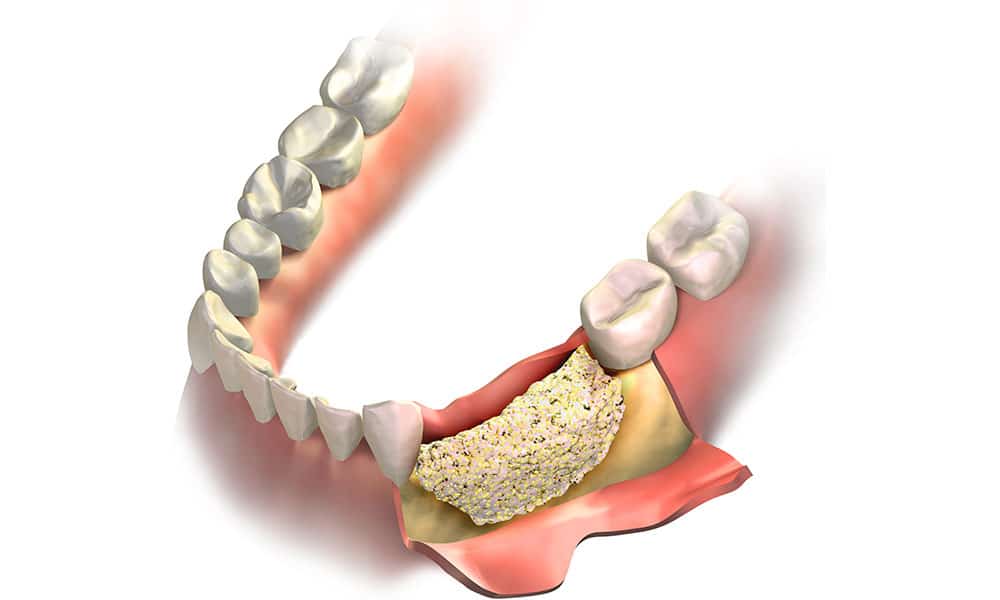
Once the extraction of your tooth is completed, it becomes necessary for you to ensure that your wound heals properly. The search for ways that could help reduce pain and inflammation may lead to questions about whether DMSO after tooth extraction can be considered one of such substances. Even though it is true that DMSO can effectively reduce inflammation and help you alleviate pain, it does not mean that it can be applied to an open wound formed by means of the dental operation. One should always keep in mind that the wound needs time to form a protective layer in the form of a blood clot.
Using an untested material after tooth extraction may be a source of worry since the extraction socket has to recover without getting irritated or disturbed. As the healing process takes place, there is a formation of a clot at the extraction socket that acts as a barrier for the bone and tissues beneath. Consequently, any disturbances to the clot will make matters worse for the healing process. Accordingly, it is essential to seek professional dental advice prior to taking DMSO after tooth extraction.
Limited evidence exists on the effectiveness of DMSO as a treatment after teeth removal surgery. Various studies have examined the potential benefits of DMSO in other cases, particularly due to its anti-inflammatory effects. Yet, evidence from such studies does not mean that DMSO is either safe or effective as a treatment for the fresh wounds after teeth removal.
It has been found that DMSO possesses certain anti-inflammatory effects and may be effective in dealing with swelling, which may be one of the reasons why people opt for DMSO to relieve swelling and inflammation after tooth extraction. Nonetheless, until more clinical evidence is obtained regarding the use of DMSO to deal with swelling after tooth extraction, DMSO cannot be recommended as an effective tool for treating swelling and inflammation.
The substance known as dimethyl sulfoxide (DMSO) is thought to provide pain relief due to its analgesic and anti-inflammatory properties, which have been studied in connection with different medical uses. These properties have made some individuals resort to the use of DMSO after teeth extraction to help cope with the discomfort that may occur. Nonetheless, the effectiveness of DMSO in relieving pain in other circumstances does not mean that DMSO can be used safely to treat pain resulting from teeth extraction.
The purity of any product being used is critical when one decides to apply any substance around the wound. There are different brands of DMSO on the market that have varying levels of formulation. DMSO can enhance the permeability of any substance through the body tissues, thus increasing the risk of contamination. Using any product that is not pure can lead to the introduction of other substances to the extraction area.
Freshly extracted teeth have a freshly opened wound that is highly susceptible to topical application of any substance during the initial phase of recovery. It would be highly inappropriate to use DMSO after tooth extraction on the extraction socket since the action could lead to further irritation and discomfort, and it may interfere with the process of recovery. There should be enough time allowed for the formation of a clot and tissue growth in the extraction area, and hence there is no need to introduce anything else at this point.
Teeth Savers is the leading dental clinic that offers holistic information on DMSO after tooth extraction. It can be seen as one of the techniques that could help reduce pain and inflammation. However, this does not mean that it should be considered a technique that is known to be standard and helps in the recovery process. The place where the tooth was extracted should be protected, as there is a requirement for healing on the part of the clot and tissues.
The use of DMSO in relation to its anti-inflammatory and analgesic effect has been investigated; however, there is not sufficient credible evidence to support the use of DMSO in this regard.
There are not many studies done on the use of DMSO on a newly extracted wound. Since the blood clot plays an important role in the healing process and protecting the underlying tissues, it is better not to use DMSO on the extraction wound unless instructed by your dentist.
While DMSO has anti-inflammatory properties, the fact does not necessarily imply that it is a proven solution to swelling after tooth extraction. Cold compresses during the first day, and compliance with post-procedural directions given by your dentist are more suitable methods to address such swelling.
It has not been scientifically proven whether it is safe and/or advisable to use DMSO at the fresh extraction site. It is particularly vulnerable during the first stage of the healing process; therefore, it would be wise not to use anything experimental such as DMSO.
Based on your situation, it might include using proper over-the-counter medication for pain relief, possibly prescription medication, soft foods, proper dental care, and protection of the blood clot.