Decoding DMSO: Its Potential Role in Schwellung and Inflammation
The process of recovery following tooth extraction will commonly include temporary swelling, soreness, and…

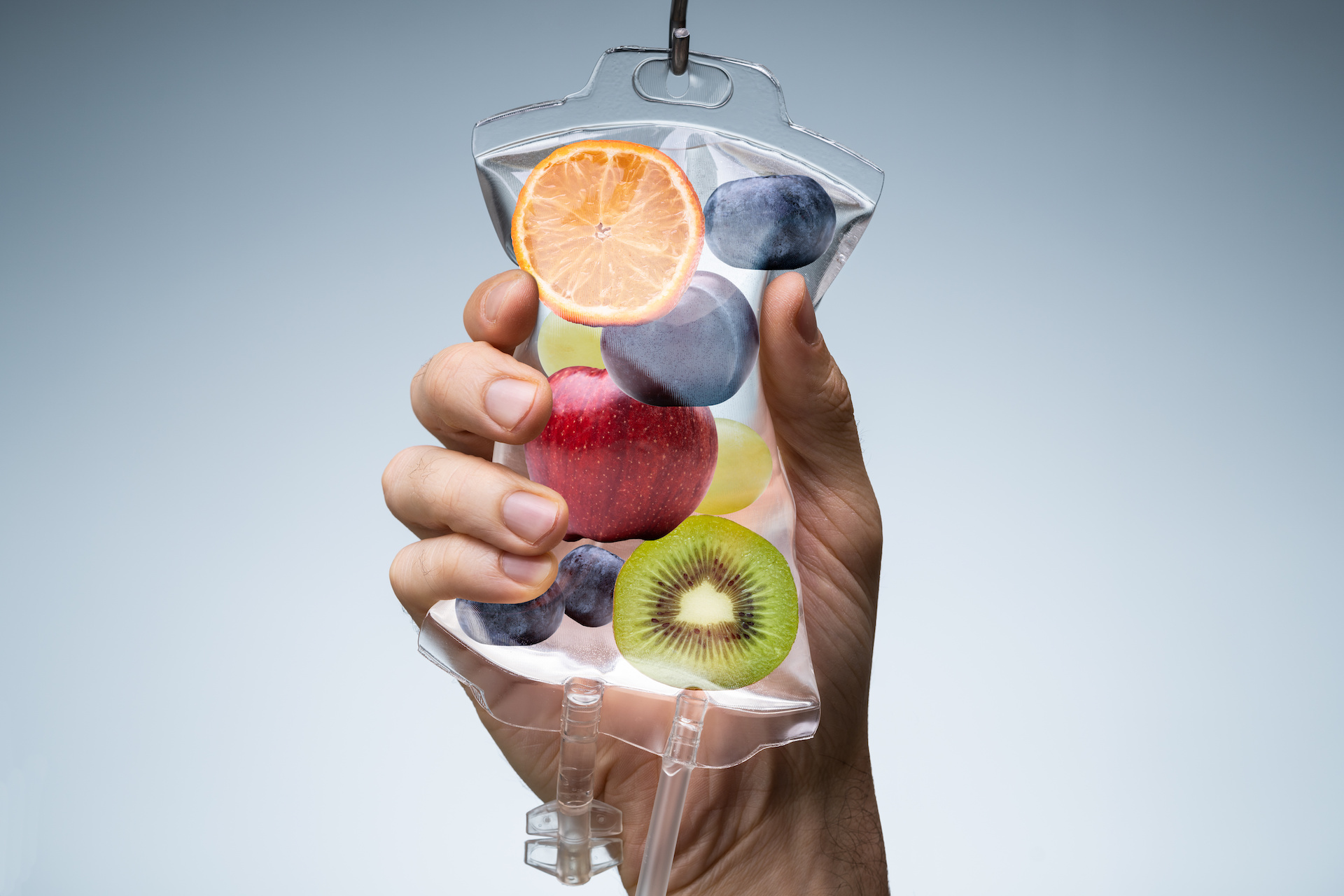
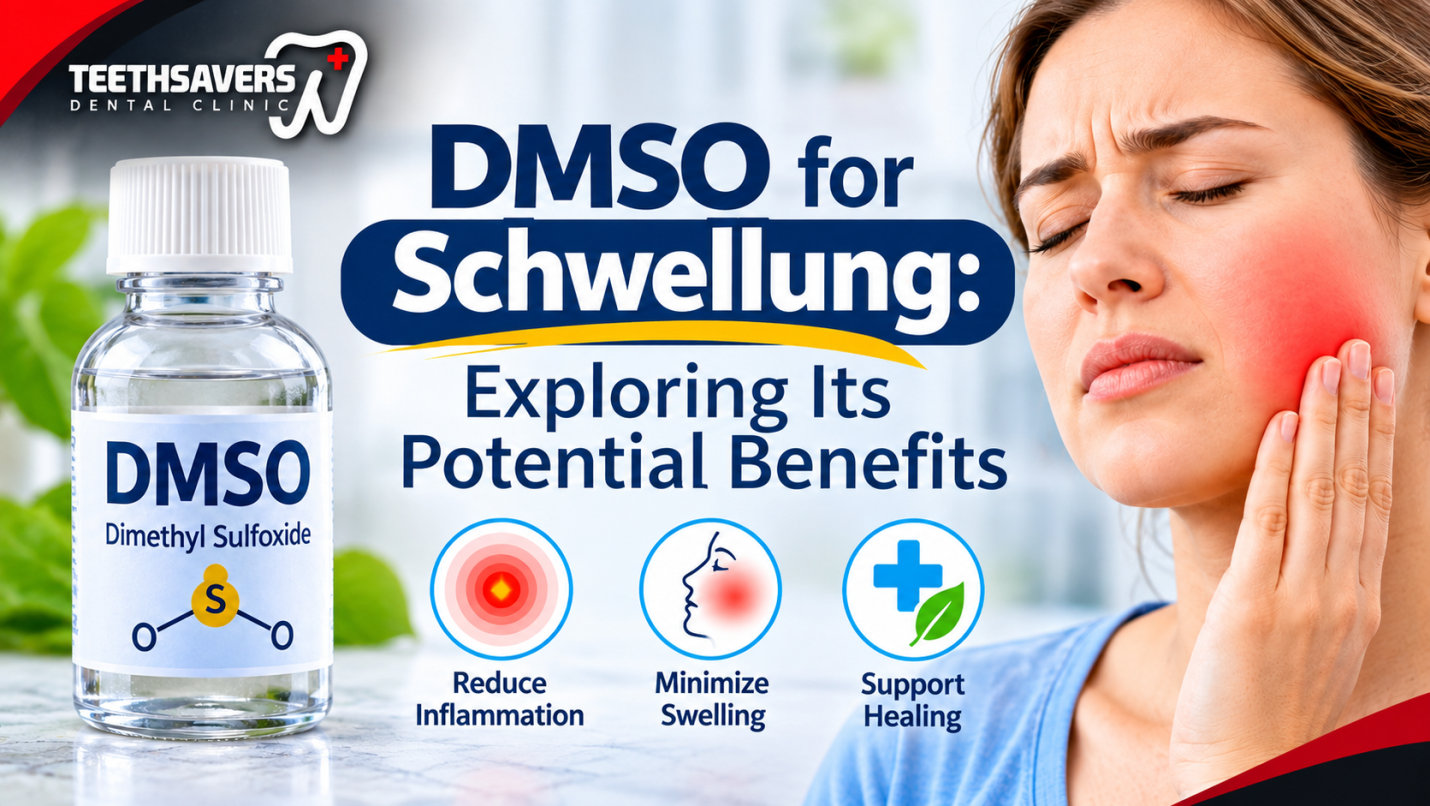
The process of recovery following tooth extraction will commonly include temporary swelling, soreness, and pain that result from the natural healing process taking place inside the body. Knowledge of the above-mentioned factors will enable one to understand the processes of healing and seek professional advice where necessary. Dimethyl sulfoxide (DMSO) has received much attention because of its possible anti-inflammatory activity and its possible relationship to schwellung, a term that means swelling in German.
Swelling is quite a common phenomenon following any dental procedure and usually resolves itself as the healing process proceeds. However, does DMSO play any part in the process of inflammation control following tooth extraction? Investigation of DMSO IV therapy and its potential influence, scientific evidence, and safety issues is needed to answer this question.
Inflammation can occur after tooth extraction due to the initiation of healing of damaged tissue in the body. DMSO, short for dimethyl sulfoxide, has gained attention for its possible anti-inflammatory capabilities in scientific circles. Still, unfortunately, there is no conclusive evidence about the benefits of using this compound to treat schwellung resulting from tooth extraction.
There are ways to deal with post-extraction inflammation as recommended by dentists, such as placing an ice pack on the outside for the first 24 hours and following all instructions after the tooth is removed. The use of DMSO could bring complications without medical advice.
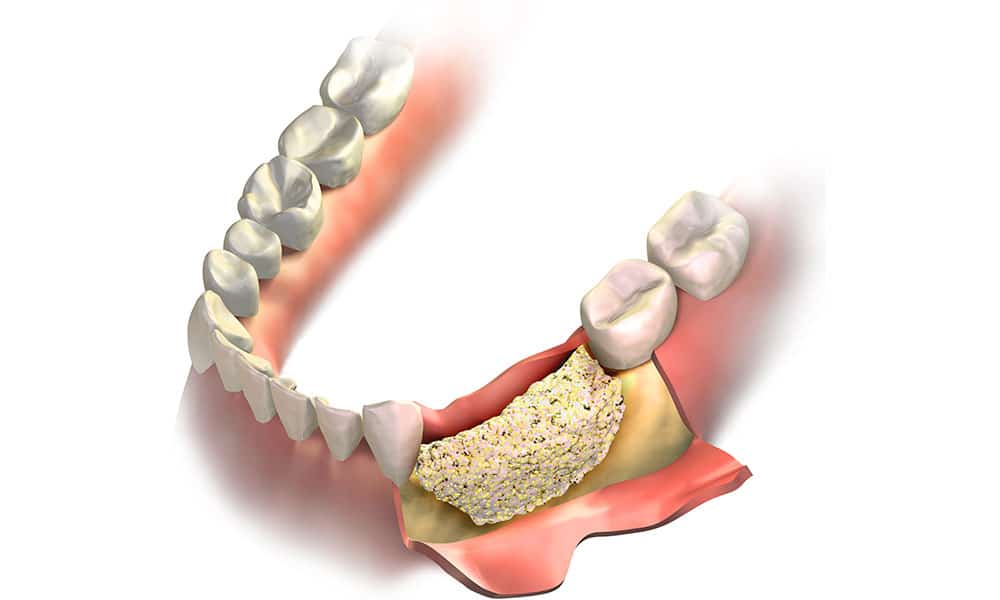
Once the tooth has been extracted from the mouth, the body will respond with the process of inflammation aimed at restoring the damage. The blood vessels around the area will swell, and immune cells will aid in removing the damaged tissues and promote healing. This is what leads to inflammation, sensitivity, and pain experienced by people within the first 48-72 hours after the process, and then subsides.
Even though some studies have been carried out on the ability of DMSO to affect specific inflammatory processes, it has not been scientifically proven that DMSO reduces schwellung after the extraction of the tooth in people. It is better to listen to the dentist’s recommendations about how to care for the toothless area instead of trying new methods.
DMSO has been gaining much attention among scientists due to its potential anti-inflammatory effects and ability to alleviate local discomfort. Nevertheless, at the present moment, there is no sufficient credible evidence regarding the safety and efficacy of the use of DMSO in alleviating post-tooth extraction pain and schwellung. One must follow all the dentist’s recommendations concerning post-extraction care, which include the use of external cold compresses for the first 24 hours post-extraction and pain treatment if needed.
Even though DMSO is an interesting subject for studies due to its anti-inflammatory characteristics, the use of DMSO in case of tooth extraction is still controversial. Studies in a laboratory setting do not always mean that the substance can be safe and effective in treating people, and there is a lack of clinical proof of DMSO’s effect on post-extraction schwellung. DMSO itself can be irritating and enhance the penetration of other substances.
The need for DMSO IV therapy in cases where there is inflammation following tooth extraction shows the need for evidence-based dentistry. Although schwellung may occur following tooth extraction, it will vary from one person to another in terms of degree and duration. Do not engage in trials with untested treatment; instead, adhere to the directions provided by your dentist. The Teeth Savers dental clinic in Tijuana, Mexico, is an ideal dental clinic for individuals looking to understand the recovery process following tooth extraction. One should always consult their dentist prior to using DMSO for post-extraction treatment, as it is not the standard therapy at the moment.
Although studies have been conducted in the scientific literature regarding the anti-inflammatory effects of DMSO, there is no particular data available about using DMSO for inflammation following tooth extraction. It is advised that you consult your dentist regarding this matter.
There is no scientific evidence that it is safe and/or appropriate to apply DMSO to the fresh extraction site. At this stage, the healing process is quite sensitive; hence, applying something experimental like DMSO would be rather imprudent.
The application of DMSO for its anti-inflammatory and pain-relieving properties has been studied; nonetheless, there is not enough evidence to justify its application in this context.
Teeth Savers is one of the most trusted dental clinics located in Tijuana, Mexico. Their dental clinic is an excellent choice for you if you need any dental advice.
Listen to your dentist’s aftercare instructions. Placing an ice pack on my cheeks for the first 24 hours, resting, and keeping my head raised can decrease the swelling.