From First Visit to New Smile: How Long Does It Take to Get Dental Implants in Mexico?
Getting dental implants is a major decision. It is not about booking in for…

Getting dental implants is a major decision. It is not about booking in for a dental appointment and then flying down to Mexico. The surgery itself may only take part of the day, but the bone does need time to heal and integrate with the implant before the permanent crown or bridge can be placed. The healing period matters most when you plan your time away from work, your flights and your accommodation. The question How long does it take to get dental implants in Mexico? has no simple answer. Some patients have enough healthy bone for a straightforward procedure; others need extractions, gum treatment, or bone grafting first. Dental implant treatment at TeethSavers Dental Clinic in Tijuana has four main phases: the consultation, the placement, the healing, and the restoration. Understanding these stages helps you plan with realistic expectations.
Many patients need several months between implant surgery and the final tooth. A common bone-healing period is three to six months. The crown or bridge then requires separate fitting appointments. Preparatory treatment can extend the schedule. Your dentist should give you a timescale once they have a proper look in your mouth and have seen the scans.
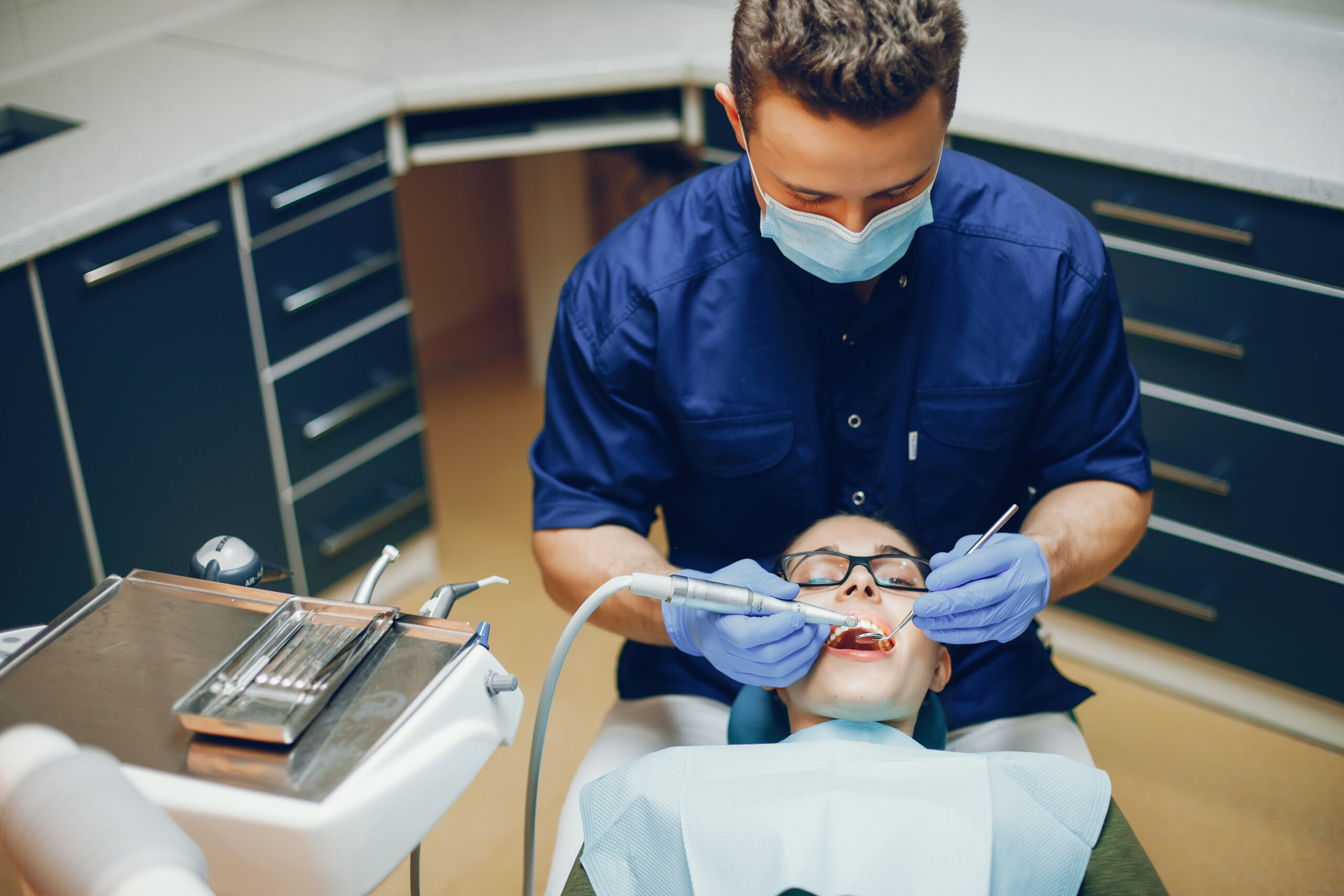
The dentist will look at your gum health, your remaining teeth, your bite, your jawbone volume, and your medical history. X-rays or a 3D scan may be needed. You have to bring a medication list and previous dental records. Any infection or gum disease would be dealt with prior to surgery.
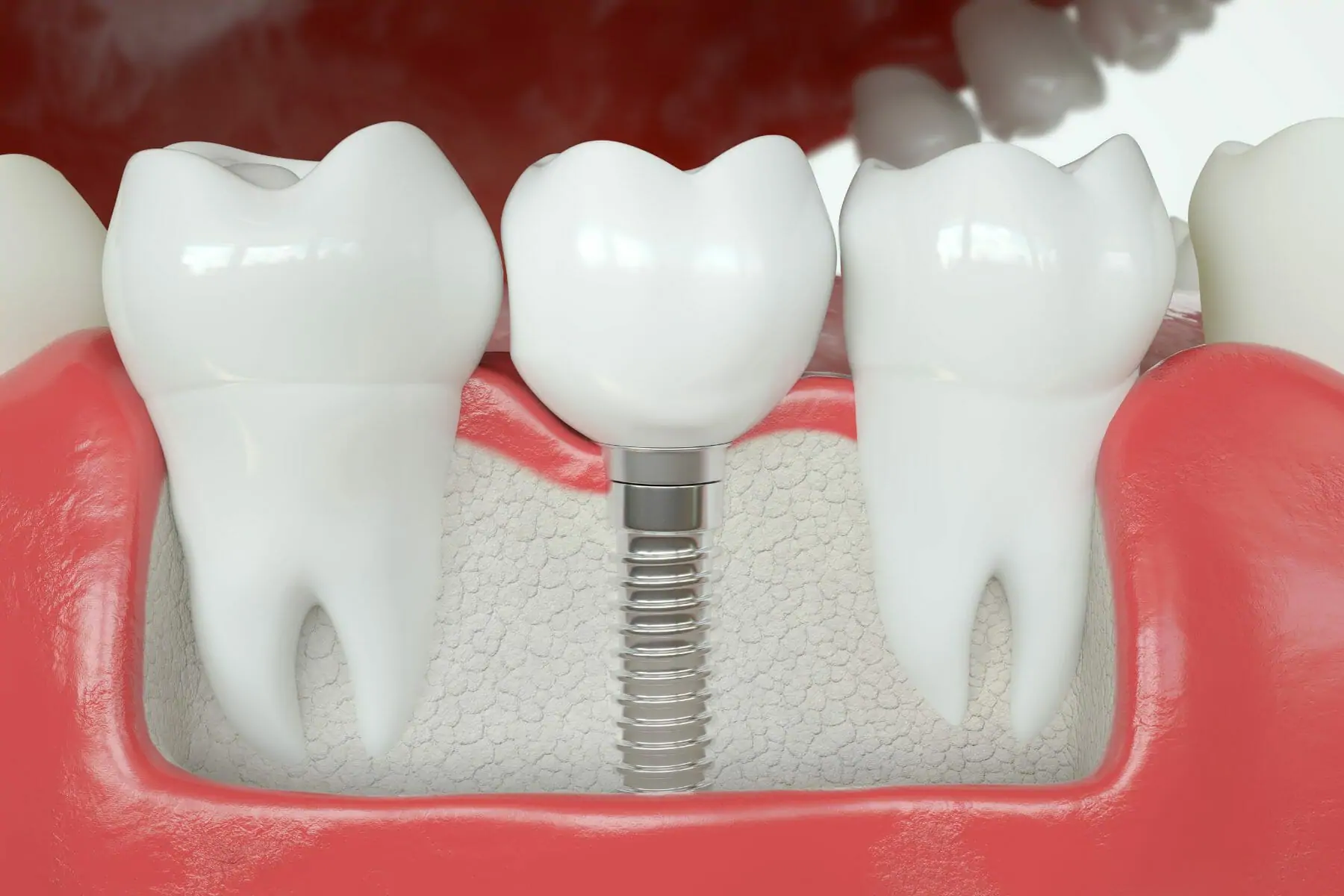
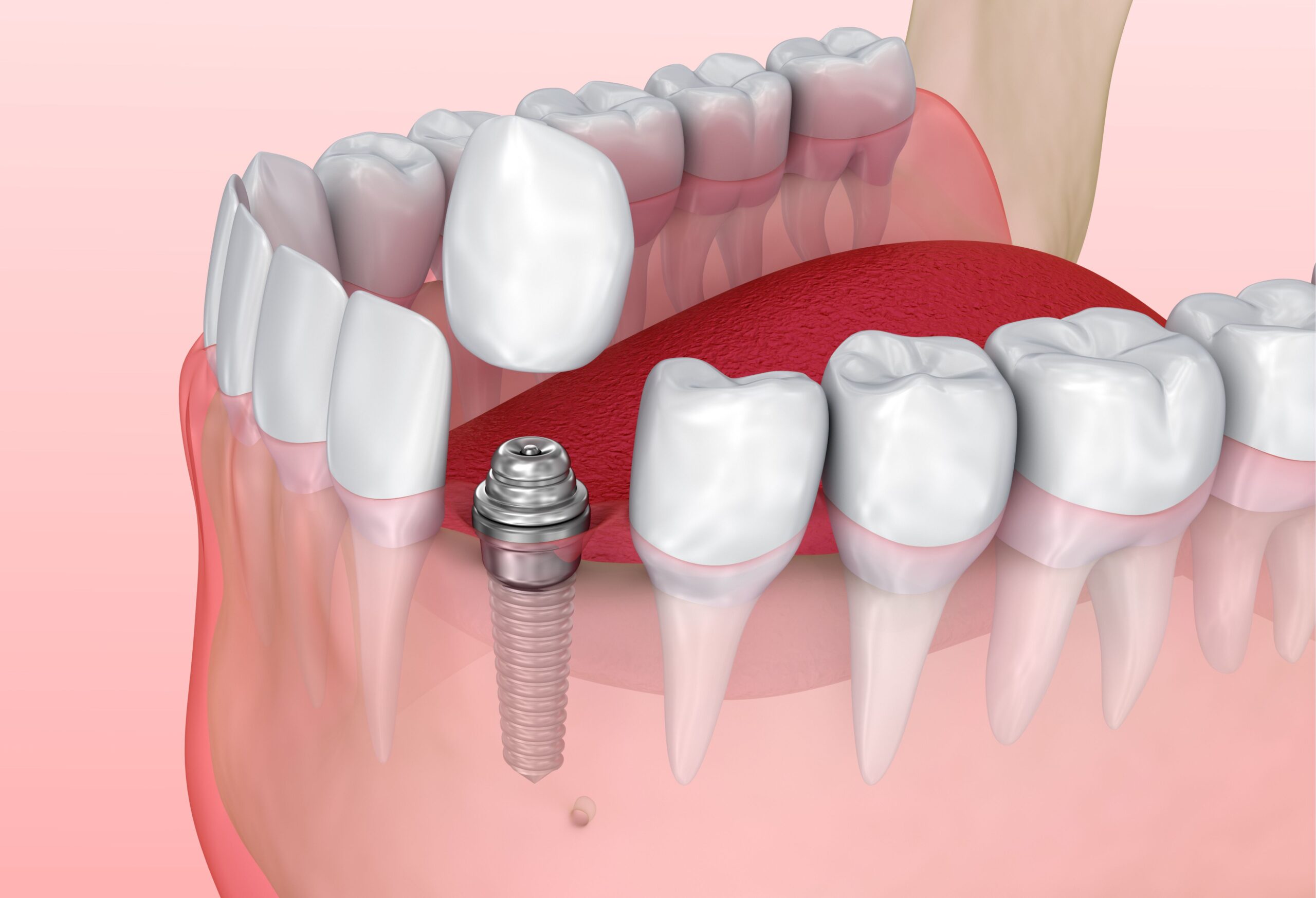
The dentist will place a small implant into the jawbone. This acts as an artificial tooth root. The length of the appointment will be dependent on the number of implants, extractions, and grafting.
This is usually the longest stage. Bone grows around the implant (osseointegration) over time, and many treatment plans will allow 3-6 months before the final restoration is fitted.
Gums may settle within one to two weeks; bone takes considerably longer. Do not confuse feeling better with the implant being ready for normal biting forces. The healing stage needs patience.
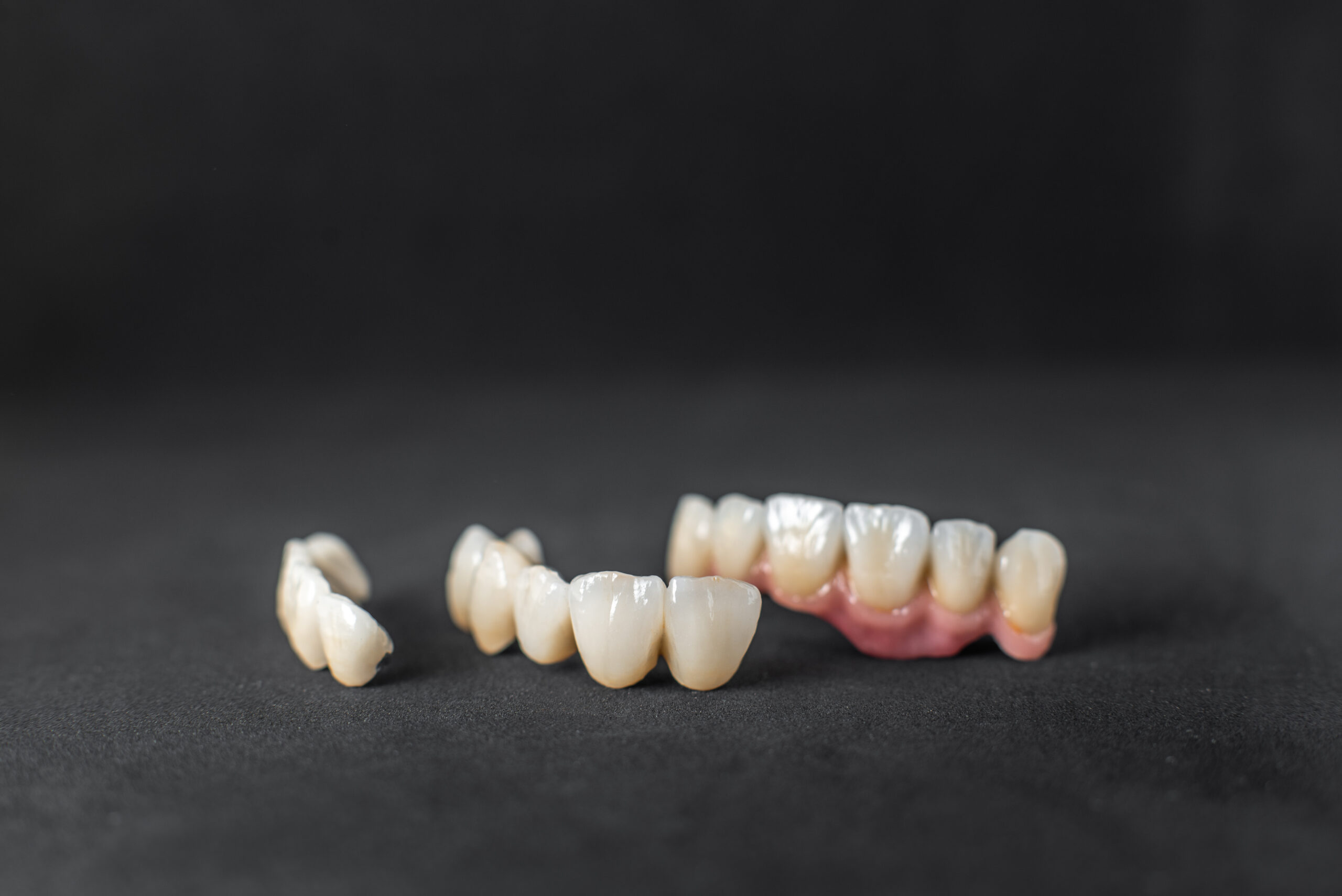
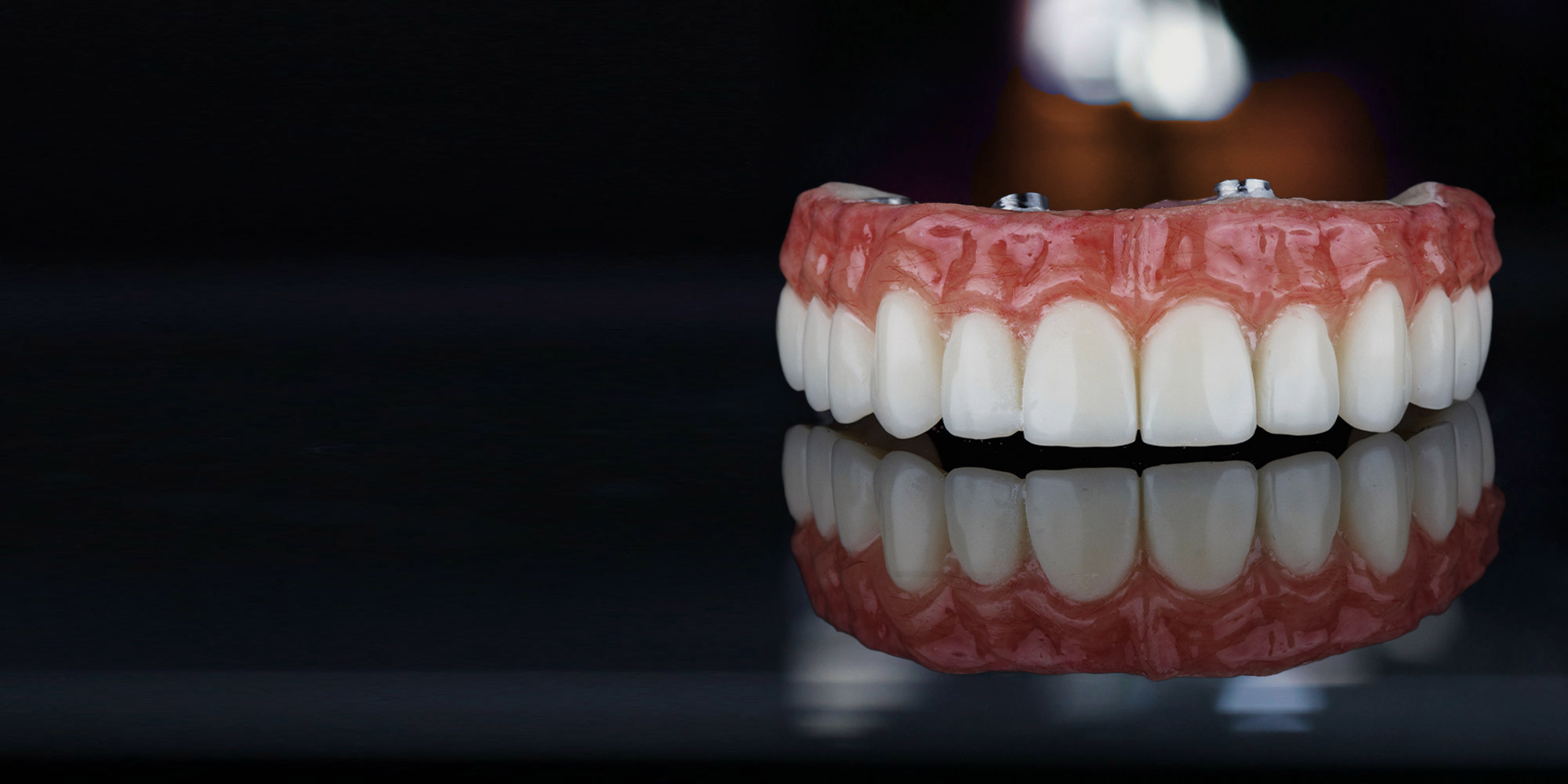
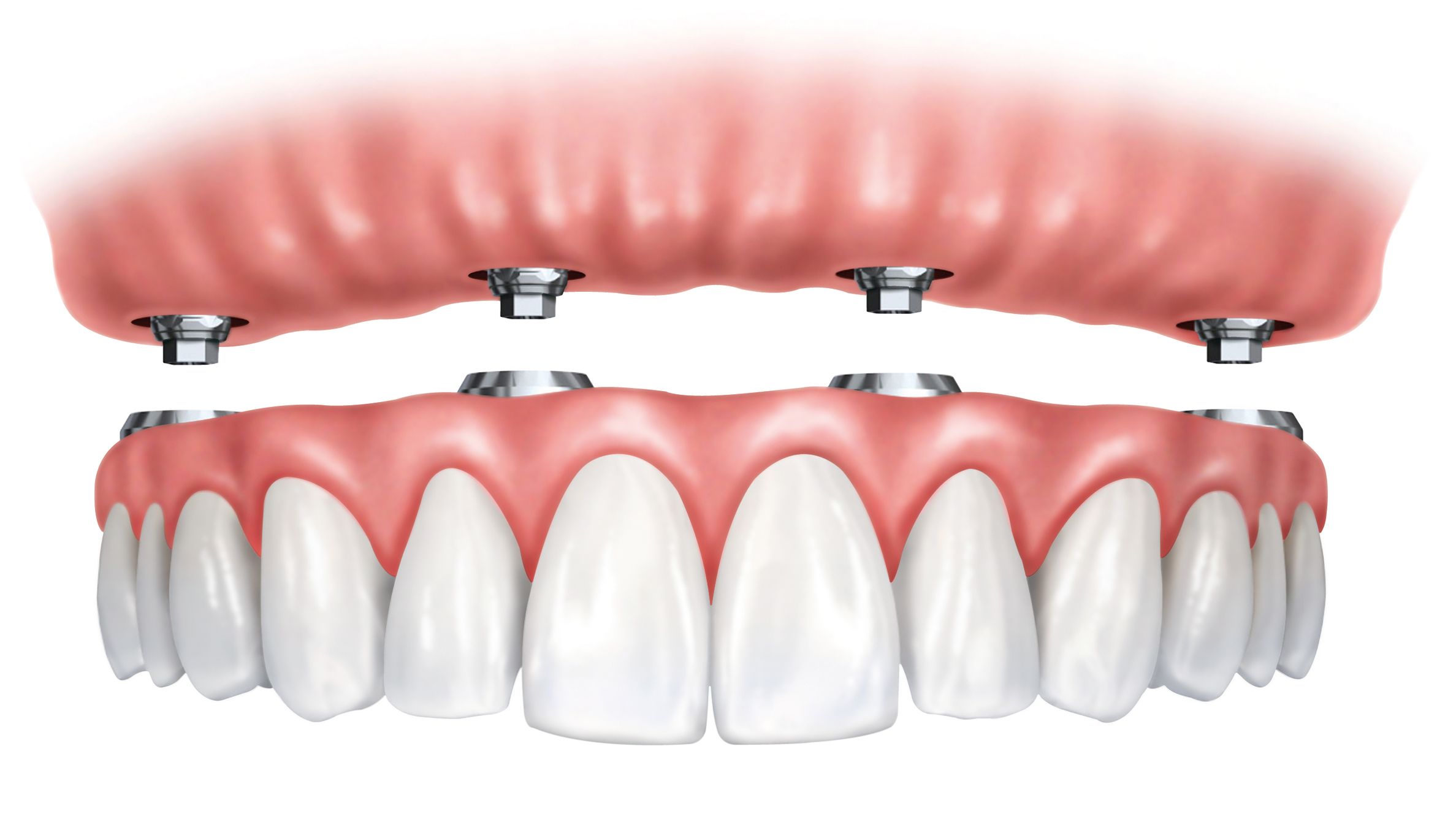
Once the dentist has confirmed adequate integration, scans or impressions are taken to make the abutment and the custom crown, bridge, or implant-supported denture. The restoration must fit your bite and neighboring teeth. This stage can involve a number of appointments over a few weeks. TeethSavers lists a custom-made crown as the final step in its published implant process.
| Treatment stage | Typical timeframe |
| Examination and planning | One or more visits |
| Implant placement | Scheduled surgical appointment |
| Bone integration | Around 3–6 months |
| Final crown or bridge | Several appointments over weeks |
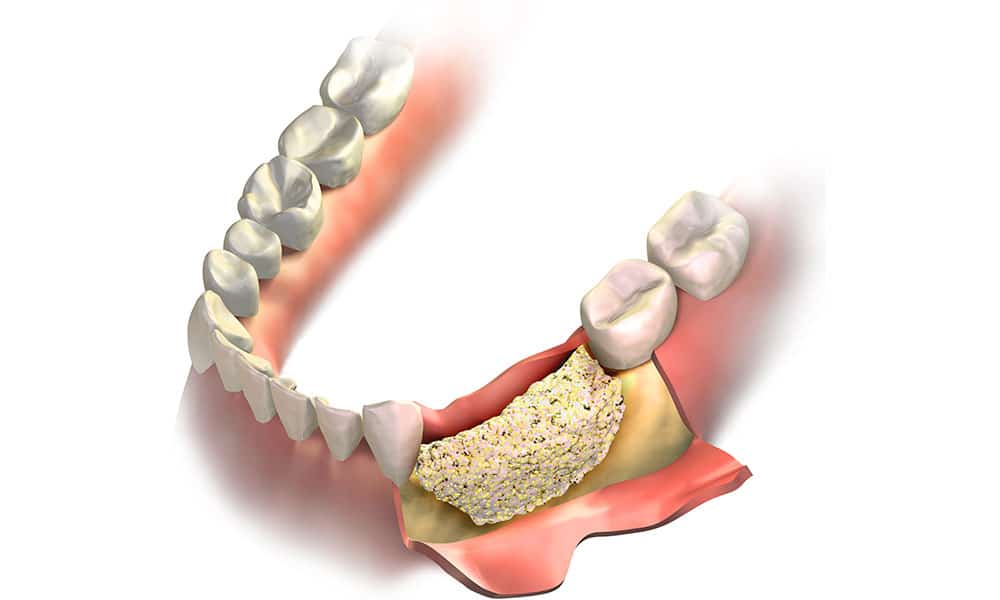
| Bone graft before implant placement | Often an additional 3–6 months |
These are general planning ranges, not guaranteed treatment dates. A bone graft needs to heal before implant placement proceeds. For the patient asking “how long does it take to get dental implants in Mexico?,” a key point is whether the timescale quoted covers the entire treatment or merely the first visit.
A staged treatment plan often means one visit for implant placement and another for the permanent restoration after healing. Some patients can use a temporary replacement between appointments.
Immediate placement or loading can, in fact, cut part of the process, but it’s not suitable for every patient. Bone conditions, infection control, and implant stability matter. When you discuss How Long Does It Take to Get Dental Implants in Mexico, ask the dentist why a particular schedule suits your condition. A fast timeline does not help if it puts healing at risk.
So, How Long Does It Take to Get Dental Implants in Mexico? For a simple case, expect several months from the time of implant placement to the time of the final restoration. Bone integration typically takes about 3 to 6 months, and further procedures can, of course, extend that. Only a proper examination and appropriate imaging can give you your individual treatment timescale. TeethSavers in Tijuana guides you through consultation, implant placement, healing, and the final crown. You should get your individual plan, your full itemized costs, and your follow-up arrangements in writing prior to booking. Good treatment takes patience, and your body needs time to heal.
Some treatment steps may fit into one trip, but many patients need a later visit for the permanent crown.
Usually three to six months, although bone quality and general health affect healing.
A temporary tooth or denture may be an option depending on your individual treatment plan.
A graft takes three to six months to heal prior to implant placement. Your timeline may be longer.
Collect your treatment records, imaging, and implant details. Confirm who is to deal with the follow-up care and what is to be done in the event of a complication.